
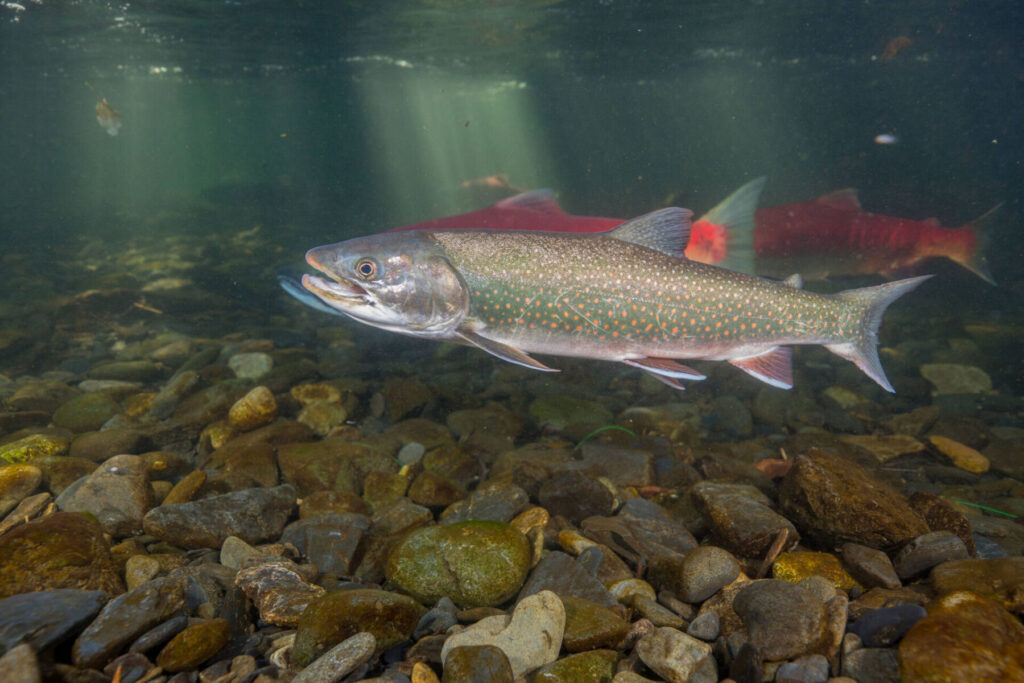
Alaska’s Arctic Char & Dolly Varden (and Lake Trout)
There seems to be a fair amount of confusion about Arctic Char and Dolly Varden on the North Slope in Alaska. We’ve done our best to put together what appears to be the most reliable information we’ve found on the topic mainly from Alaska State Department of Fish and Game. Feel free to contact us if you have additional pertinent information. While we hear people discussing Arctic Char on the Kongakut River from our reading they appear to most likely be Dolly Varden.
Key Differences, Regional Patterns, and Behavioral Comparisons of char Across the Arctic
Understanding Alaska’s cold‑water salmonids—Arctic char, lake trout, and Dolly Varden—can be surprisingly complex. All three belong to the genus Salvelinus and are considered char, yet they differ markedly in appearance, life history, habitat, and regional distribution. In Alaska, these distinctions are further complicated by historical misidentification between Arctic Char and Dolly Varden. Adding another layer, Arctic char in Alaska appear to exhibit life‑history patterns that differ from many populations in Canada and Russia.
This article outlines the major differences among the three species, their distribution across Alaska, and how Alaska’s Arctic char contrast behaviorally with their relatives elsewhere.
Species Overview and Identification Differences
While Lake Trout are quite different in appearance, many anglers struggle to tell Arctic char and Dolly Varden apart. This confusion is common enough that Alaska’s Trophy Fish Program groups the two species into a single category: Arctic Char/Dolly Varden. According to the state’s records, the current trophy catch for this combined category is a 27‑pound, 6‑ounce fish caught by Mike Curtiss in 2002 on the Wulik River.
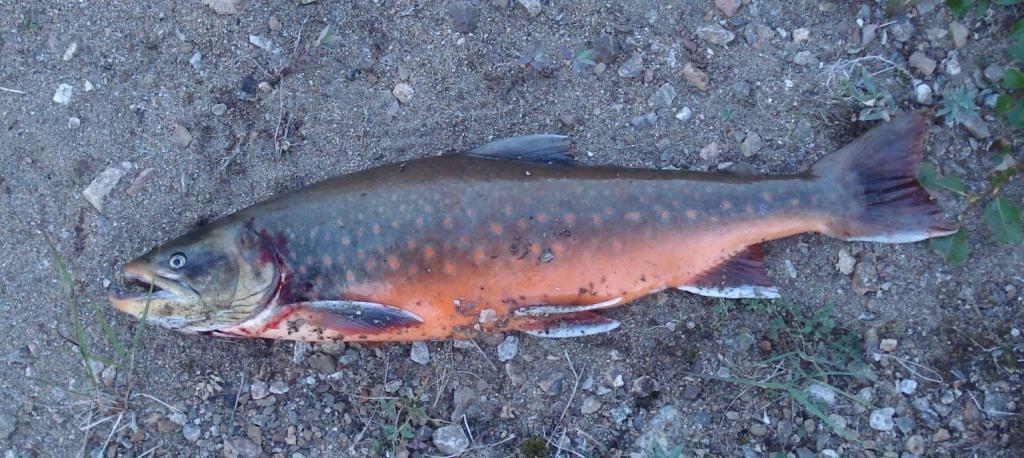
Arctic Char (Salvelinus alpinus)
Often confused with Dolly Varden, the two have similar coloration and some overlapping range. In Alaska, distinguishing the two often requires close inspection of several morphological features. Arctic char typically have:
- Fewer, larger spots,
- A more deeply forked tail, and
- Spawning coloration leaning gold, yellow, or orange—with red being uncommon.
They are highly variable, exhibiting numerous “morphs” across their global range (one reason they have been called “the most variable vertebrate on Earth”).
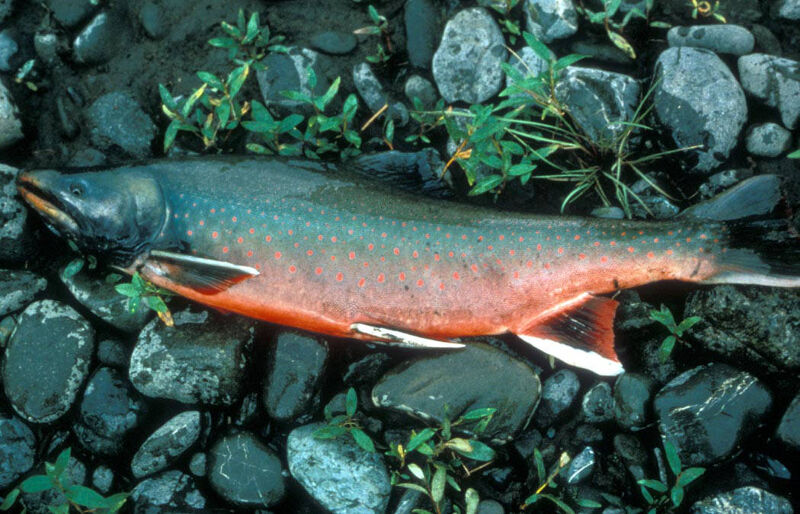
Dolly Varden (Salvelinus malma)
Dolly Varden resemble Arctic char but generally show:
- Smaller, more numerous spots,
- A slightly forked tail, and
- Spawning colors in deep reds or pinks, especially on the abdomen.
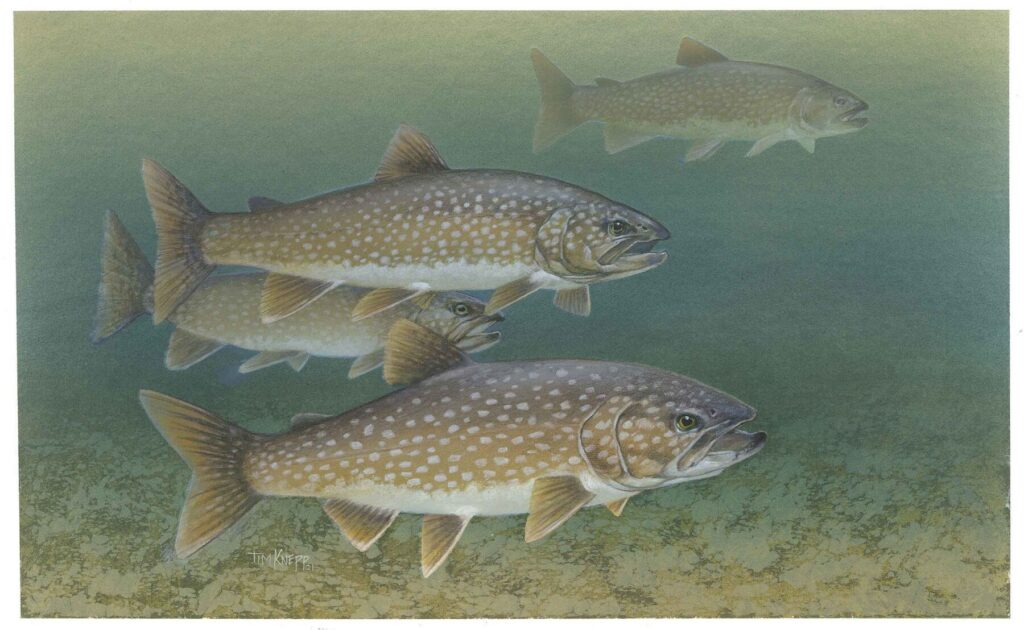
Lake Trout (Salvelinus namaycush)
Not often confused with the other two species in Alaska, Lake Trout typically are more elongated, lack bright spawning colors, and inhabit different ecological niches. They are, however, part of the same genus and share cold‑water preferences similar to char.
Where They Live in Alaska: Regional Distribution
Arctic Char Distribution in Alaska
Alaska’s Arctic char are primarily lake‑resident, especially in northern and interior regions.
They occur in:
- The Brooks Range,
- The Seward Peninsula,
- The Alaska Range,
- The Kuskokwim Mountains, and
- Various isolated deep, cold lakes across federal lands including the National Petroleum Reserve–Alaska and Arctic National Wildlife Refuge. [adfg.alaska.gov], [westernnat…etrout.org]
Most Alaskan populations do not appear to be strongly anadromous, which is a key point of contrast with populations in Canada and Russia (discussed later). [westernnat…etrout.org]
Dolly Varden Distribution in Alaska
Dolly Varden are much more broadly distributed than Arctic char. In Alaska, they occur as:
- Lake‑resident,
- Stream‑resident, and
- Anadromous forms.
Their range includes:
- The entire western Alaska coastline,
- Most river systems across the North Slope,
- Areas stretching eastward to the Mackenzie River. [aniakriverlodge.com]
Lake Trout Distribution in Alaska
Lake trout are widely distributed in Alaska’s larger, deeper lakes, typically in colder, oligotrophic (nutrient‑poor) waters. After the last ice ages there were many massive lakes formed that as they subsided overtime left populations of Lake Trout across Alaska.
Behavioral and Life‑History Differences Within Alaska
Arctic Char in Alaska
- Primarily lake‑resident: All known populations in northern Alaska reside entirely in lakes year‑round.
- They spawn, overwinter, and feed within lake systems.
- They prefer cold water below 55°F, making them more active early and late in the open‑water season.
Dolly Varden in Alaska
- Anadromous Dolly Varden migrate to the sea to feed, then return to freshwater before winter because seawater temperatures would freeze them.
- Resident populations may remain in rivers year‑round.
- Dolly Varden often follow salmon runs, feeding heavily on salmon eggs.
Lake Trout in Alaska
- Lake trout are deep‑water specialists, typically remaining in cold, deep lakes, feeding on fish and invertebrates. Unlike Alaska Arctic Char, Lake Trout are believed to have never been anadromous.
Search for Alaskan Rafting Trips

Call Us!
We’ll help you narrow down your search from 100’s of trip options.

Have a question, send us a note. We’re here to help.

Find Your Trip
Request a trip search, we’ll find tours meeting your criteria.
*** Our service is free to you and paid for by our partner outfitters. We guarantee the same price as booking directly with the outfitter.
Arctic Char: Alaska vs. Canada and Russia
The most notable contrast across regions involves anadromy—the cycle of migrating from freshwater to saltwater to feed.
Anadromy in Canada and Russia
In Canada and Russia:
- Anadromous Arctic char are common and undertake annual migrations to sea, spending ~50 days in the ocean each summer before returning to freshwater.
- Many Canadian Arctic communities depend on these sea‑run char, which feed intensively in the ocean and then overwinter in freshwater.
- Arctic char in these regions show strong links to sea‑ice cycles, ocean temperature, and changing prey availability, adjusting migration timing and depth use in response to warming waters.
Anadromy in Alaska
In Alaska:
- Scientific assessments indicate that while anadromy occurs in Canada and Russia, it is not widespread in Alaskan Arctic char, which appear predominantly lake‑resident.
- Some exceptions may exist (e.g., marine‑derived strontium signatures found in otoliths from Becharof Lake char), but these cases are considered rare and not representative of statewide behavior.
Implications of These Differences
- Feeding behaviors differ: Sea‑run char in Canada and Russia feed on marine prey, while Alaska char rely on lake‑based food webs.
- Migration patterns differ: Alaska char aren’t known to migrate to the sea, reducing exposure to marine predators and environmental changes but also limiting marine feeding opportunities.
- Thermal sensitivity: Canadian research shows warming oceans alter char feeding and habitat use; these pressures may be less influential on Alaska’s lake‑resident populations.
Conclusion: Based on the available evidence, Alaska’s Arctic char appear to behave more like isolated, specialized lake‑dwelling populations, whereas many Canadian and Russian populations maintain strong anadromous traditions.
Summary Table
| Feature | Arctic Char | Dolly Varden | Lake Trout |
|---|---|---|---|
| Genus | Salvelinus alpinus | Salvelinus malma | Salvelinus namaycush |
| Typical Spots | Fewer, larger spots | Smaller, numerous spots | Pale, worm-like markings |
| Tail | Deeply forked | Slightly forked | Moderately forked |
| Spawning Colors | Gold, orange, yellow; rarely red | Bright reds/pinks on abdomen | Muted |
| Life History in Alaska | Mostly lake‑resident; limited anadromy | Anadromous + resident forms widespread | Lake‑resident |
| Primary Alaska Habitat | Cold, deep lakes | Rivers, coasts, lakes | Deep, cold lakes |
Final Thoughts
The distinctions among Arctic char, lake trout, and Dolly Varden in Alaska are rooted in differences in morphology, habitat preference, and life‑history strategy. While Dolly Varden and Arctic char may resemble one another, their distribution and behaviors diverge consistently when viewed across Alaska’s varied landscapes.
Start Planning Your Best Adventure
Dispatches from adventure tours around the world and tips for intrepid travelers. Read Our Blog
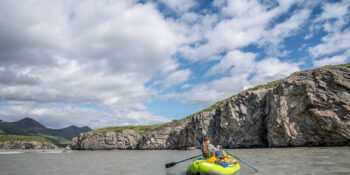
The Best Ways to Visit ANWR (Arctic National Wildlife Refuge)
Alaska’s wilderness comes the risk of encountering dangerous animals, including bears, wolves, and moose. Outfitters take extensive precautions to keep guests safe, but it’s important for rafters to understand how to minimize risks when facing Alaska’s formidable wildlife. This guide will break down safety measures for black, brown, and polar bears as well as other dangerous animals, with an emphasis on how commercial rafting outfitters manage these risks.
Keep Reading > The Best Ways to Visit ANWR (Arctic National Wildlife Refuge)
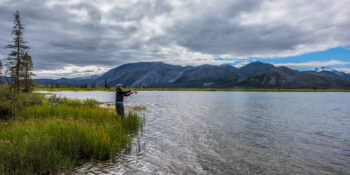
Fishing the North Slope of Alaska in ANWR
Alaska’s wilderness comes the risk of encountering dangerous animals, including bears, wolves, and moose. Outfitters take extensive precautions to keep guests safe, but it’s important for rafters to understand how to minimize risks when facing Alaska’s formidable wildlife. This guide will break down safety measures for black, brown, and polar bears as well as other dangerous animals, with an emphasis on how commercial rafting outfitters manage these risks.
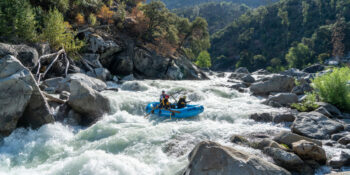
Best Alternatives to the Grand Canyon 2‑Day Trip
The United States is home to an amazing array of multi-day (overnight) rafting expeditions. At Rivers & Oceans we came up with our list of the top 10 best rafting and camping trips in the U.S.
Keep Reading > Best Alternatives to the Grand Canyon 2‑Day Trip