
How Droughts Affect
Rafting in the West
***2026 Update: the Bureau of Reclamation moved significant water from upstream Flaming Gorge Dam (which was almost full) down to Lake Powell to ensure quality flows in Grand Canyon for 2026.***
There is much talk about drought in the Western United States. In reality, the West is experiencing a long-term decrease in water with highly variable year-to-year conditions. Some winters bring heavy snowpack, while others see significantly below-average runoff.
While drought has a significant impact on a few rivers, most popular rivers continue to operate as normal and for other runs the drought has made the rafting situation better. Most rafting trips we offer are on dam release rivers (like the Grand Canyon) or have such large drainages that drought years still provide quality raftable flows for the entire season.
Dam Release versus Free Flowing
The rafting trips most changed by drought are on free flowing rivers that rely solely on snow melt and rain fall. For example, the Yampa River in Utah is free flowing and does not have that large of a watershed. On years when the mountains get lots of snow, rafting trips go into mid-July. Historically, rafting outfitters would have to cancel an early season trip every few years because the river was too high to safely run. On the other hand, during years with a very small snowpack the Yampa stops running in early June.
The next drainage over, Lodore Canyon on the Green River, has a dam upstream. Every year rafting trips on Lodore Canyon run through August. During big snowpacks the dam lowers the peak high water runoff making it less likely trips will be cancelled due to high water and provides raftable flows later in the summer.
Rivers Drying Up?
Sensationalized news talks about the Colorado river drying up. Like this article about the Colorado River by CNN, “The Southwest’s most important river is drying up.” This, like much of the news, is an over reaction. There is a problem that there is not enough water in the Colorado River Basin for all the users and on average there is less water than in the past. But snow and rain will continue to fall in the Rockies and laws require that a significant portion of the Colorado River will continue to flow through the Grand Canyon to provide water for people in Las Vegas, Phoenix, and California. However users below the Grand Canyon will not be receiving as much water as they used to receive so the river will not be running as high.
Lower Flows on Rafting Trips
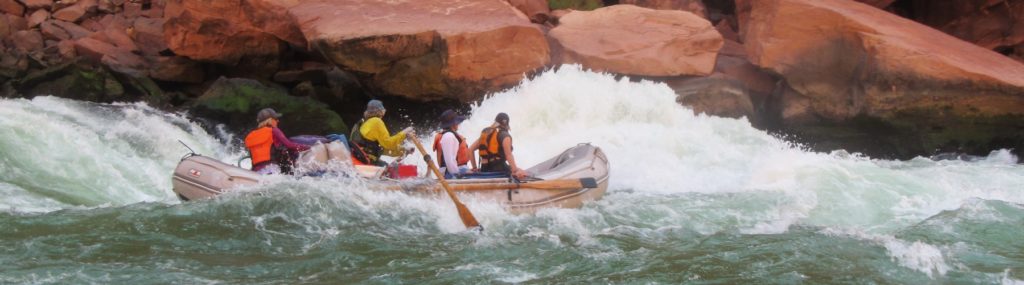
A common question we hear is “How do rafting trips change as rivers run at lower flows?” During high flows rivers are typically more dangerous since the river is moving faster and it is more difficult to get to shore. As a rivers drop overall the waves and river features get smaller. However, some rapids actually become bigger and more fun as a river drops because they are “washed-out (disappear)” at higher flows.
Advantages of Lower Flows
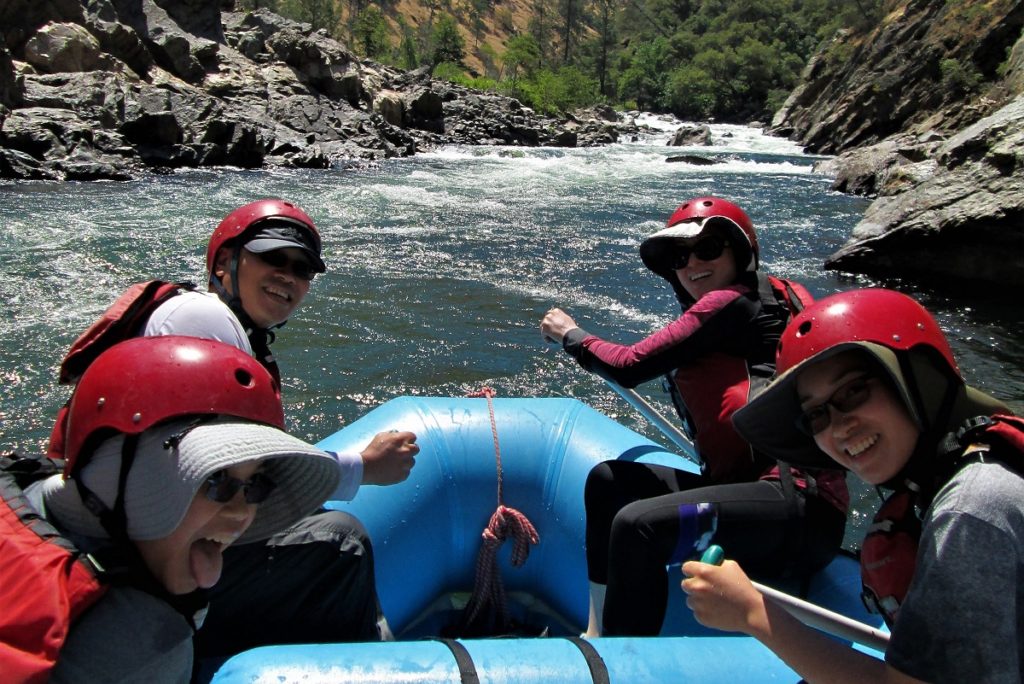
Lower flows make for more family friendly rafting trips and allow outfitters to bring inflatable kayaks. The water is warmer and more enjoyable for swimming and getting splashed. Beaches are also bigger providing outstanding camping. Finally, fishing improves as rivers drop to lower flows.
Best Rivers to Raft During a Drought
We’ve compiled a list of our favorite “drought tolerant” rivers to run around the West including what time of year can be best to see them. During a drought year all of them can be run the entire summer.
- Colorado River through Grand Canyon
- Rogue River, Oregon
- Green River through Lodore Canyon, Utah
- Salmon River, Idaho
- Cherry Creek, California
- Alaskan Rivers
Colorado River through Grand Canyon
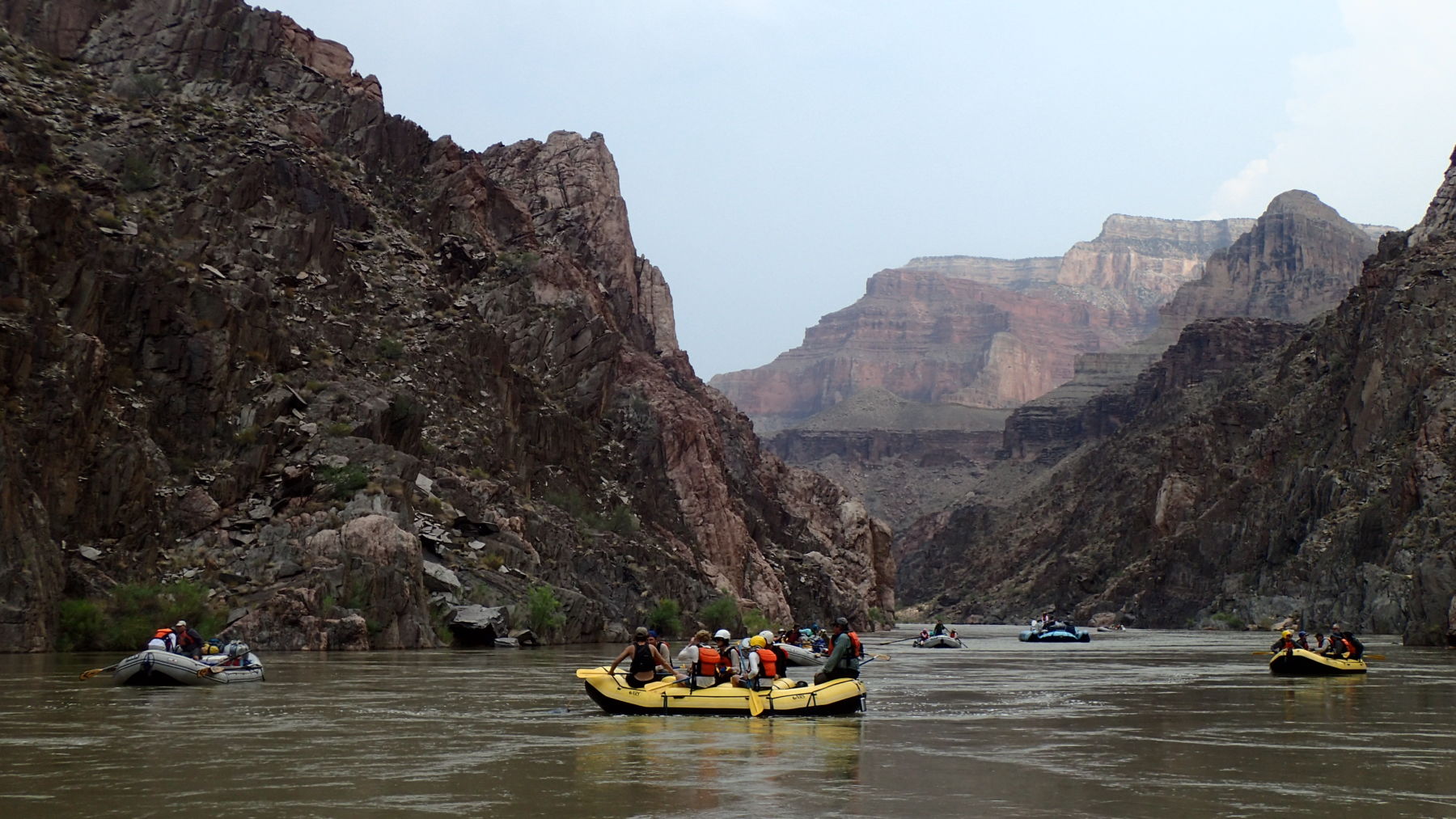
The Colorado River through Grand Canyon has raftable flows year-round. Commercial trips run yearly from April through October and are expected to continue to do so going forward. The river is running lower than it used to run (see current flows). However the lowest flows (around 1,500 cfs) that were rafted in Grand Canyon took place in the 1970’s when downstream Lake Mead was full and upstream Lake Powell needed to be filled.
Even at the new lower water levels between 6,500 to 8,000 cubic feet per second (cfs) for 2026, The Colorado River provides the most consistent big water rafting experience in the United States. These levels make for particularly exciting lines in rapids like House Rock, the Roaring Twenties section, Hance, Horn Creek and Crystal.
The Rogue River, Oregon
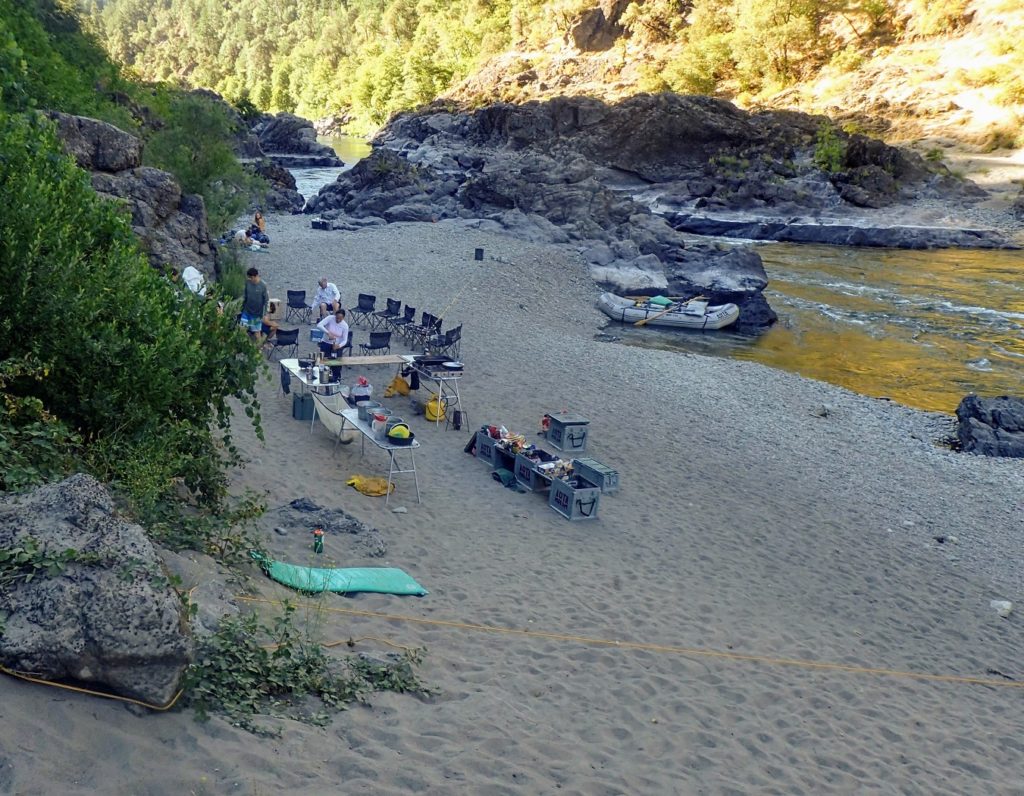
With numerous dams upstream the Rogue flows consistently year-round and commercial rafting trips run from May into October. Rafting the Rogue is at it’s best with lower flows. Outfitters bring inflatable kayaks during summer flows. Wildlife including otters, bears, and osprey are regularly seen.
One of the original eight National Wild and Scenic Rivers, the Rogue is our favorite rafting trip for families.
Gates of Lodore on the Green River, Utah
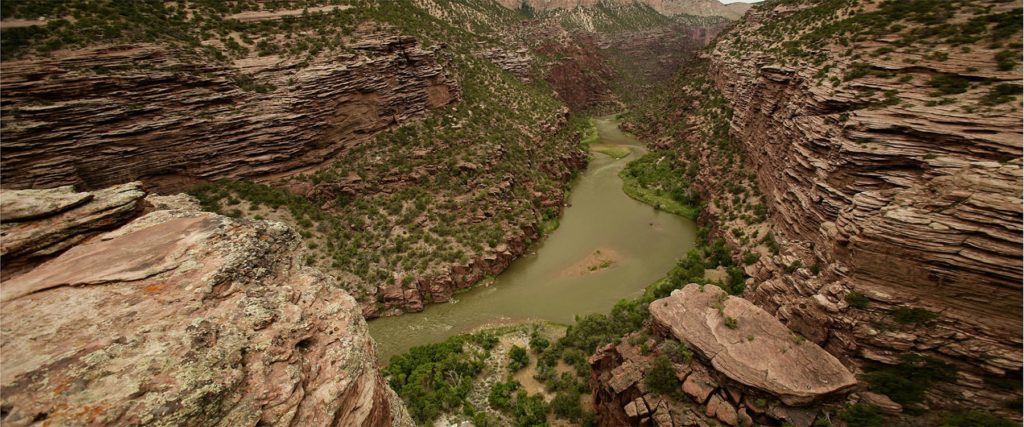
The Green River has a dam upstream of Lodore Canyon providing consistent flows from May through August. Controlled flows allow for inflatable kayaks on most trips. Rafting Lodore Canyon is known for dramatic views, fun whitewater, hiking, and incredible campsites. During low water, the famous rapids are even more exciting with more boulders to dodge in Disaster Falls, Triplet Falls, and Hell’s Half Mile.
Salmon River, Idaho
While free-flowing, Idaho’s Salmon River has a huge drainage such that even on years with minimal snowpack the river can be run all summer. During high water years outfitter sometimes have to cancel trips in early June because the river gets to high. Rafting trips on the Salmon River are know for huge white sand beaches, granite walled canyons, Barth Hotsprings, excellent swimming and fun whitewater.
Cherry Creek
Another Dam controlled river, Cherry Creek releases water daily providing arguably the hardest class V whitewater run in the country. During highwater years, outfitters have to wait until mid-July for the water to be low enough to start running trips since the dam is releasing more water. During low water years, trips run from May through August.
Downstream of Cherry Creek lies the Tuolumne River, another great rafting trip for drought years.
Rafting Beyond the West: Alaska
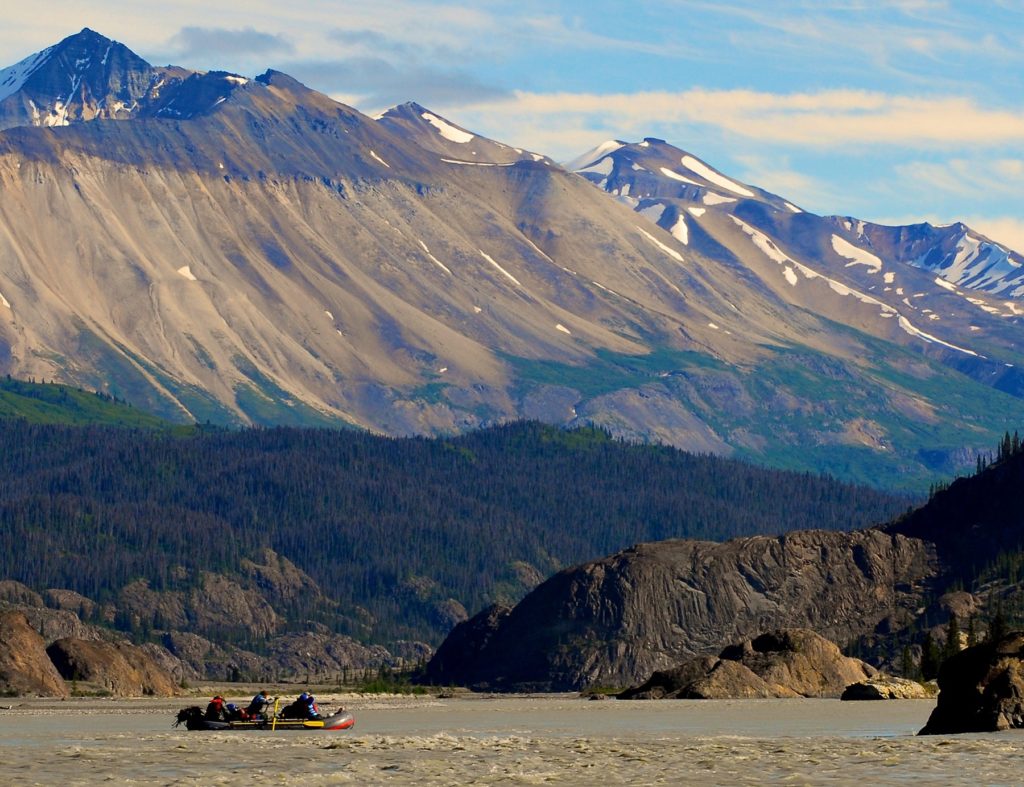
While drought continues to shape river conditions across the Western United States, Alaska remains largely unaffected by these trends.
We are big fans of rafting in Alaska, where glacial and coastal weather patterns drive river flows rather than snowpack alone. Many of the classic Alaskan rivers continue to run consistently and are not experiencing the same lower flows seen in the Lower 48.
Some of our favorites include:
These rivers offer spectacular wilderness settings, abundant wildlife, and dependable flows driven by glacial melt and northern climate systems.
For travelers looking to avoid drought-related uncertainty altogether, Alaska provides some of the most reliable and awe-inspiring rafting experiences in North America.
Looking Ahead
The certainty of river conditions decreases the farther out we look. However, rafting trips will absolutely continue into the future. What may change are the details: trip length, craft types, and logistics. Outfitters have always needed to and will continue to adapt to conditions.
If uncertainty about future river conditions is a concern, there are excellent options with extremely reliable flows like the Rogue River and other dam-supported systems.
We are currently organizing our 2027 custom trips on many of the rivers discussed above including the Grand Canyon and beyond and are happy to help match you with the best option based on your timing and comfort level.