
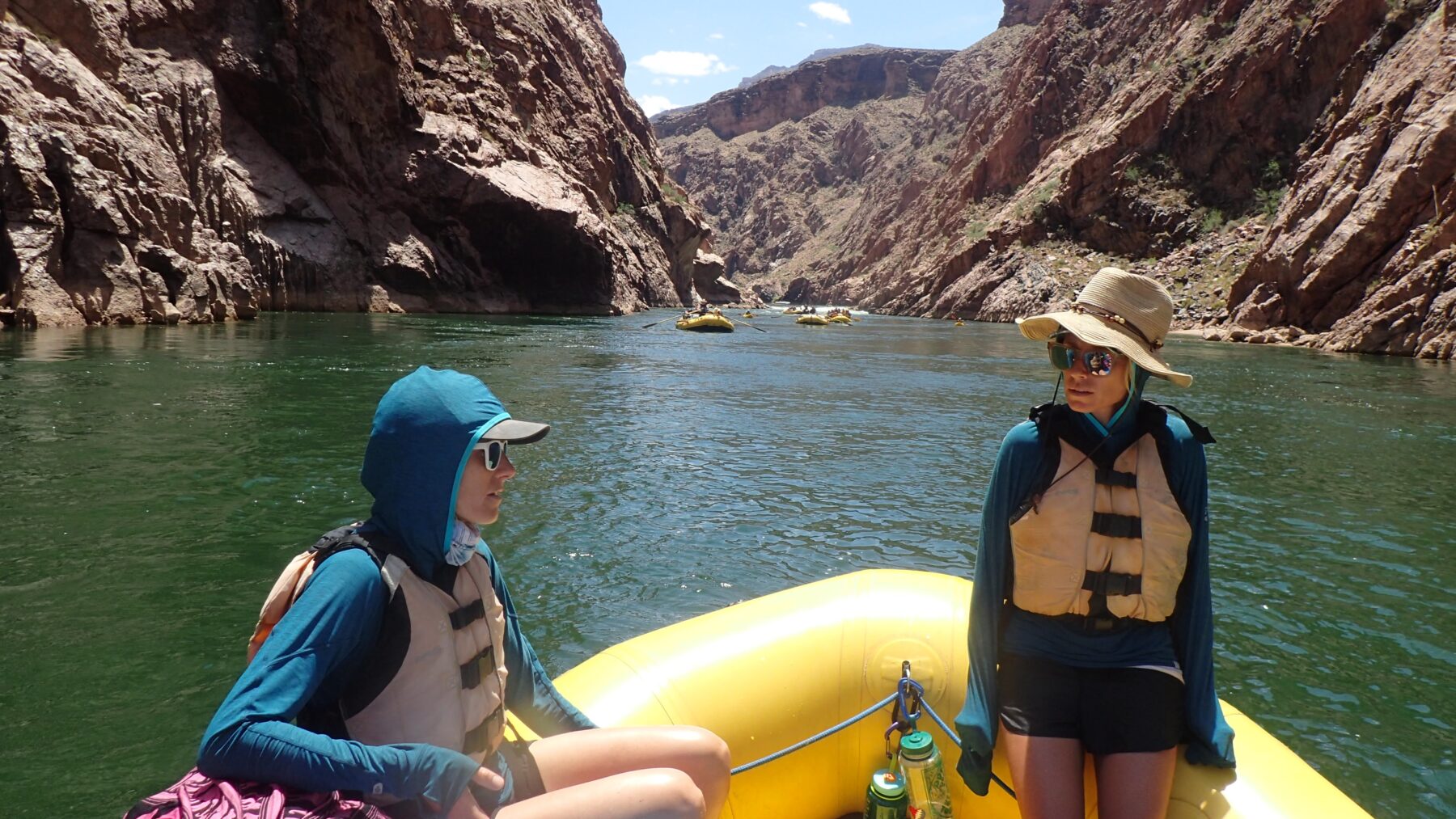
Grand Canyon Weather Guide for Rafting Trips
Updated: December 28, 2025
If you’re planning a rafting trip through the Grand Canyon, understanding the weather is just as important as knowing the rapids. With elevations ranging from over 7,000 feet at the South Rim to less than 1,500 feet at Pierce Ferry, temperatures can swing 30–40 degrees in a single day. This guide breaks down Grand Canyon weather along the river for rafters—covering Lees Ferry, Phantom Ranch, Diamond Creek, and Pierce Ferry—plus how conditions compare to the South Rim. You may also want to see our page on the current Colorado River flows in Grand Canyon.
Current Temperatures at Grand Canyon Locations
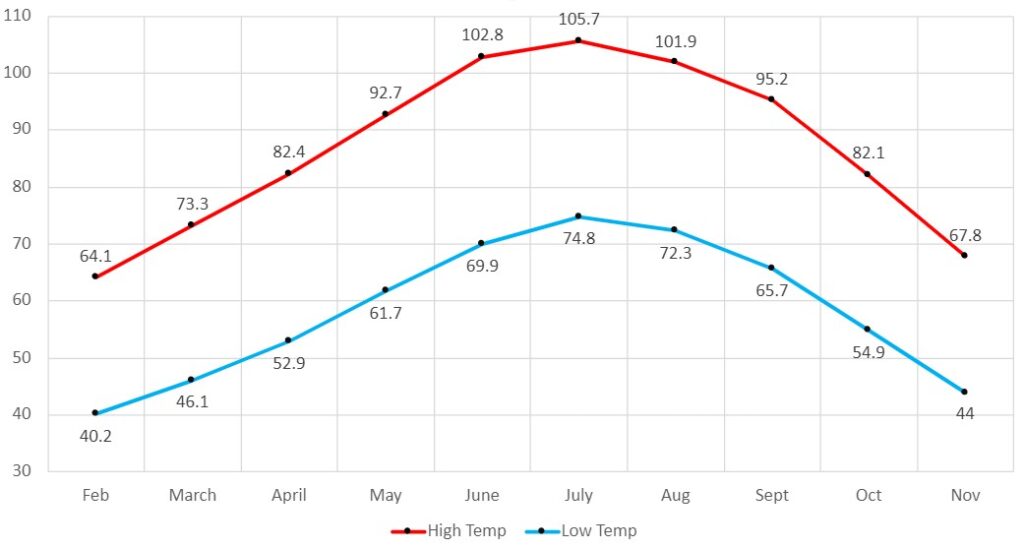
Average Inner Canyon Temperatures near Phantom Ranch
South Rim Weather vs. River Weather
The South Rim sits at around 7,000 feet and has a climate more like a mountain town than a desert. Winters are snowy and cold, summers are mild (70s–80s °F), and spring/fall bring crisp, comfortable conditions.
Down at the Colorado River, the weather is much hotter and drier. At places like Phantom Ranch (2,500 feet), summer highs regularly hit 100–115°F (38–46°C). The difference is so dramatic that while hikers may need a jacket at the rim, rafters below are splashing water on themselves to stay cool.
Key Rafting Weather Locations
- Lees Ferry Weather (Mile 0, 3,100 feet): This is where Grand Canyon rafting trips begin. Spring and fall are pleasant with warm days and cool nights. Summers are hot, but not as extreme as further downstream.
- Phantom Ranch Weather (Mile 88, 2,500 feet): A hot and dry part of the canyon. Summer days often exceed 110°F, and nights stay warm. Expect intense sun exposure.
- Diamond Creek Climate (Mile 226, ~1,500 feet): A common take-out point with desert conditions. Hot, dry, and little shade—summer days here can feel relentless.
- Pierce Ferry Weather (Mile 280, 1,400 feet): The end of the canyon rafting journey. Similar to the Mojave Desert, it’s often the hottest section of the trip.
Find Your Grand Canyon Rafting Adventure…
Download Grand Canyon Trip Planner

Call Us!
We find a phone call is the easiest way to find your best trip.

Have a question, send us a note. We’re here to help.

Find Your Trip
Request a trip search, we’ll find tours meeting your criteria.
*** Our service is free to you and paid for by our partner outfitters. We guarantee the same price as booking directly with the outfitter.
Grand Canyon Weather by Season for Rafters
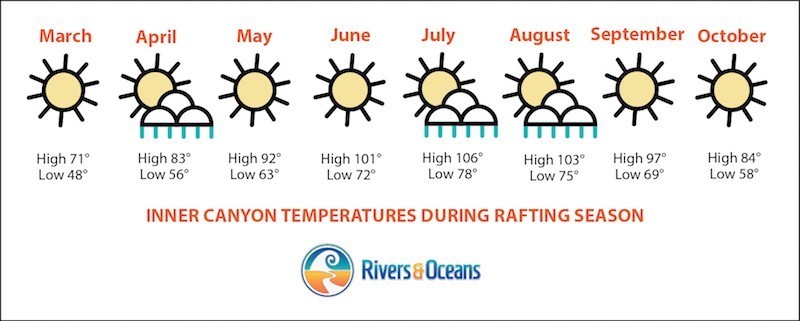
Spring Rafting (March–May)
- Lees Ferry: Mild temperatures, highs in the 70s–80s.
- River level: Comfortable rafting weather, but Colorado River water remains cold (around 50°F).
- South Rim: Still chilly in March, with snow possible. Warms into the 60s–70s by May.
- Best for: Cooler hiking conditions and fewer bugs.
Summer Rafting (June–August)
- Lees Ferry & Diamond Creek: Hot days, 90s–100s.
- Phantom Ranch: Extremely hot—105–115°F is common.
- South Rim: Pleasant 70s–80s, but expect July–August thunderstorms.
- Best for: Peak rafting season, but heat management (shade, hydration, splashing in rapids) is essential.
Fall Rafting (September–October)
- Lees Ferry: Cooling down, highs in the 70s–80s.
- Phantom Ranch: Highs drop into the 80s–90s, making it far more comfortable.
- South Rim: Crisp mornings and evenings, great for hiking.
- Best for: One of the most popular rafting seasons—less heat, fewer crowds, gorgeous light.
Winter Rafting (November–February)
- Lees Ferry & River: Cold and often windy, not part of the commercial rafting season.
- South Rim: Snow and icy conditions are common.
- Best for: Private permit trips only, with challenging conditions.
Weather Tips for Rafting the Grand Canyon
- Expect extremes: Always plan for 30–40 degree temperature swings between rim and river.
- Pack smart: Quick-dry clothing, UPF sun protection, and warm evening layers.
- Hydrate constantly: The desert heat plus dry air makes dehydration a real risk.
- Watch monsoon season: July–August thunderstorms can trigger flash floods in side canyons.
- Cold water shock: The Colorado River stays around 50°F year-round due to Glen Canyon Dam releases.
Final Thoughts
Grand Canyon weather is as dramatic as its scenery. From the cool pines of the South Rim to the blazing desert sun at Phantom Ranch and Diamond Creek, conditions change constantly along the river. By knowing what to expect at Lees Ferry, Phantom Ranch, Diamond Creek, and Pierce Ferry, rafters can pack properly, stay safe, and enjoy one of the greatest adventures on earth.
About Rivers & Oceans
Since 1987, Rivers & Oceans has helped travelers find the right adventure by pairing firsthand experience with personalized guidance. Our team includes former river guides and adventure professionals who done hundreds of rafting trips in the Grand Canyon and many more throughout the world.
For many people, it is easiest to talk with one of our Adventure Travel Specialists at (928) 526-4575. We take the time to listen, helping guests navigate trip options, logistics, and expectations so they arrive informed and prepared. There is no added cost to work with us. Trip prices are the same as booking directly with an outfitter and our service is supported by long-standing partnerships across the industry.
Start Planning Your Best Adventure
Dispatches from adventure tours around the world and tips for intrepid travelers. Read Our Blog
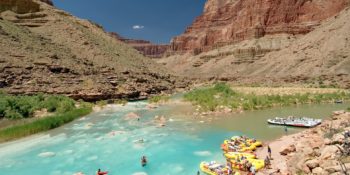
Best Grand Canyon Rafting Trips
With over 100 different options, one question we often hear is “what is the best Grand Canyon rafting trip?” In this post we break down what makes for a quality white water rafting experience and discuss our favorite trip options for rafting the Colorado River within Grand Canyon National Park.
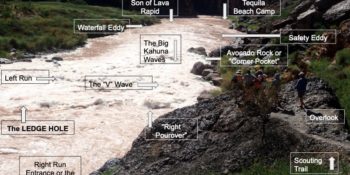
Rafting Lava Falls Rapid
Lava Falls, Grand Canyon National Park. One hundred seventy-nine miles downstream from Lees Ferry on the Colorado River sits Lava Falls Rapid. Difficulty rating of a Class 10 rapid on the 1-10 Grand Canyon scale (Class V on the international scale of river difficulty), Lava Falls is arguably the most famous whitewater rapid in the world. It was even listed by the Guinness Book of World Records as the fastest navigable water in all of North America at 20 m.p.h.
Feminine Hygiene on Rafting Trips
Women guides share tips on best feminine hygiene practices and products for camping on whitewater rafting trips.