
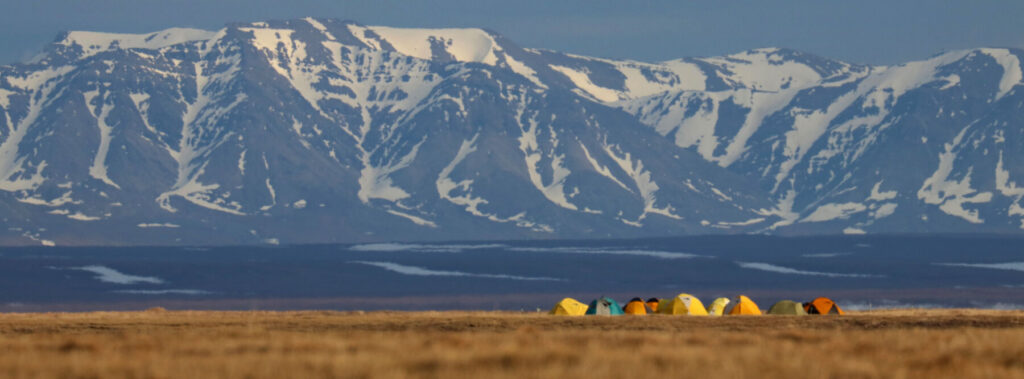
The Best Ways to Visit ANWR (Arctic National Wildlife Refuge)
Visiting the Arctic National Wildlife Refuge is not straightforward and that’s part of the point.
There are no roads into ANWR. Access requires charter aircraft, careful planning, and a clear understanding of what travel in the Arctic actually looks like.
Because of those constraints, most people who consider the trip run into the same questions:
- How do you actually get there?
- What does it cost?
- Is it better to hike, basecamp, or raft?
- How long do you need to make it worthwhile?
This guide breaks down the most practical ways to visit ANWR including what it takes, what it costs, and how to choose the right approach for the kind of experience you’re looking for.
A Brief History of ANWR
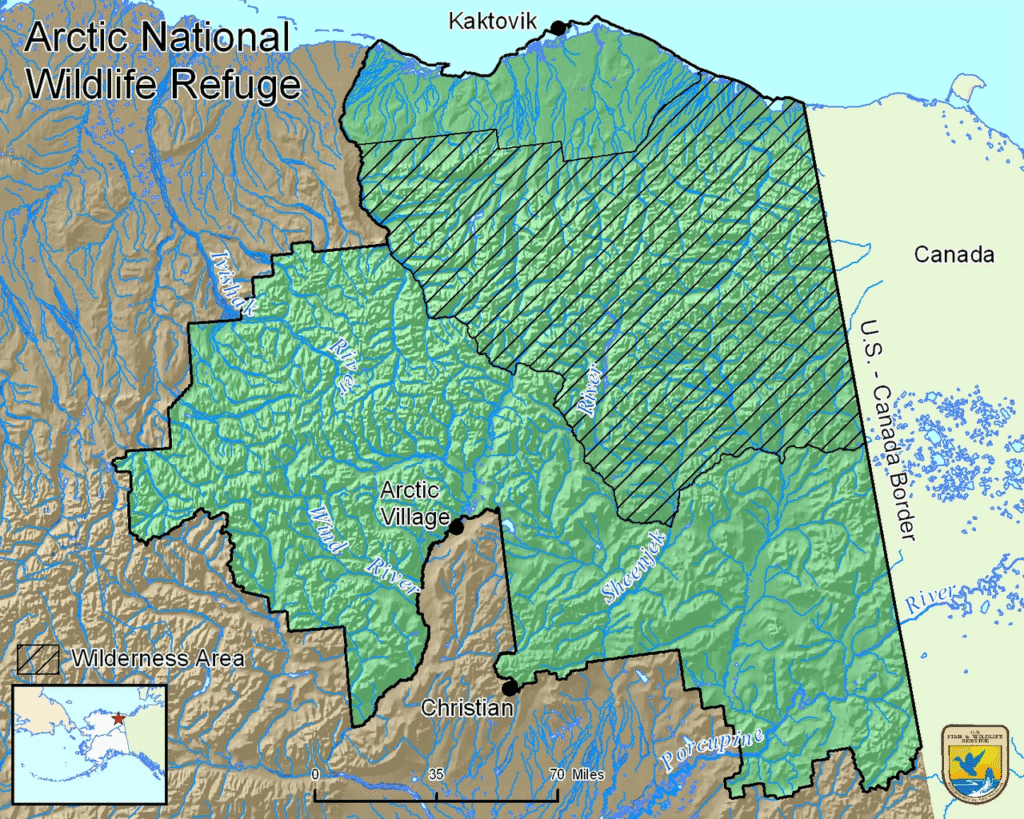
Originally established in 1960 to protect a representative portion of Alaska’s Arctic ecosystem, ANWR was expanded in 1980 to nearly 20 million acres—making it the largest wildlife refuge in the United States.
Eight million acres are designated as the Mollie Beattie Wilderness Area, the second-largest wilderness area in the United States.
That same 1980 legislation set aside a portion of the coastal plain — often referred to as the “1002 Area” — for future study regarding potential oil and gas development.
ANWR Boundary — Public Domain, U.S. Fish and Wildlife Service
Why the Coastal Plain Became Controversial
The coastal plain represents a small percentage of the refuge’s total acreage, but it has outsized importance for two reasons:
- It is believed to contain potentially recoverable oil resources.
- It serves as important habitat for wildlife, including caribou calving grounds and polar bear denning areas.
Since the late 1970s, federal administrations have alternated between efforts to open the area to leasing and efforts to restrict or cancel development. Lease sales have occurred, been challenged in court, paused, reinstated, and reconsidered multiple times.
As a result, ANWR has become one of the most debated public land areas in the United States.
Why Visit Now?
The Arctic is not static.
Across Alaska’s North Slope, temperatures are rising faster than almost anywhere else on Earth. Permafrost is thawing. River channels shift. Coastal erosion is accelerating. Wildlife patterns adapt year by year.
At the same time, policy debates surrounding energy development on portions of the coastal plain continue to evolve. Federal priorities change. Leasing policies change. Legal challenges unfold.
No one can predict exactly what ANWR will look like in 20 or 40 years.
What is true today:
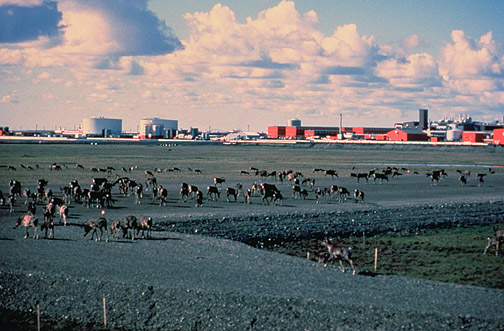
You can still stand on a gravel bar and see nothing but mountains and tundra in every direction. You can still watch caribou move across open ground without fences or highways interrupting their path.
ANWR remains remarkably quiet, with only around 600 people each year visiting on commercial trips including rafting, backpacking, and hunting. By comparison, more than 200 rafters can launch each day on Idaho’s Middle Fork of the Salmon River.
At nearly 20 million acres, ANWR is the largest roadless undeveloped area in the US. It is twice as big as the next largest in Alaska, larger than many U.S. states and almost 10 times bigger than the largest wilderness areas in the lower 48.
The combination of ecological scale, limited infrastructure, and genuine remoteness is rare in the modern world. For travelers who value experiencing landscapes in their wildest state, ANWR has no equal.
What That Means on the Ground
Despite decades of national debate over oil drilling in ANWR, the vast majority of the refuge remains untouched.
There are:
- No road systems inside the refuge
- No permanent industrial infrastructure across most of its acreage
- No tourism facilities
Travelers today experience essentially the same landscape that existed when the refuge was first designated more than sixty years ago.
If you want to visit, you have to earn it. Travel here requires a different approach.
Best Time to Visit the Arctic National Wildlife Refuge
The travel season inside the Arctic National Wildlife Refuge is short. While the Arctic technically has four seasons, winter dominates the year, and the practical visitor window is usually mid-June through early September.
Conditions change quickly across the summer, and the “best” time depends more on what experience you want than on a single ideal month.
Early Season: Mid-June to Early July
Early summer trips are often defined by snowmelt and rising river levels.
- Daylight is nearly continuous.
- Caribou movement can be especially active near major river corridors and the coastal plain. (Watch PBS Video on ANWR Caribou Head)
- The tundra is beginning to turn green after winter.
- Higher elevation travel may still encounter snow.
Mosquitoes may begin emerging during warm, still weather, although wind and cooler temperatures can reduce insect pressure.
This period is excellent for travelers who want high water river conditions and the feeling of watching the landscape awaken.
Peak Summer Season: Late June Through Early August
This is generally the most popular travel window.
- River levels are usually near their seasonal peak by late July.
- Warmest Weather
- Wildflowers appear across many valleys and mountain slopes.
- Continuous daylight allows long exploration days.
- Wildlife can be active across both tundra and mountain zones.
The main drawback during this period is insect activity. Mosquitoes can be intense when temperatures are warm and the air is still, especially in low, wet terrain. Windy river corridors and higher ridgelines often provide relief.
Late Season: Mid-August Through Early September
Many experienced Arctic travelers prefer late season trips.
- Tundra vegetation shifts into reds, golds, and deep purple tones.
- Cooler temperatures make hiking and camping more comfortable.
- Mosquito populations typically decline after the first hard frost or extended cold night, which can occur anytime from late July through August depending on location and weather patterns.
- Nights begin lengthening, increasing the chance of viewing the northern lights late in the season.
The trade-offs are more variable weather, colder nights, and a greater chance of rain or early snow.
Winter and Shoulder Seasons
From roughly September through May, travel becomes extremely difficult.
The refuge experiences long periods of darkness during midwinter, severe cold, and frequent storms that can disrupt transportation. Wildlife disperses, and commercial tourism activity is very limited.
The Reality of Cost and Logistics
Accessing the Arctic National Wildlife Refuge requires charter aircraft, and that is where much of the expense comes from.
Bush flights into the refuge are typically arranged as private charters. Depending on distance, aircraft type, weight, and weather windows, round-trip access flights can cost several thousand dollars — and that’s before food, equipment, and additional logistics are factored in.
Because aircraft must drop you off and return later for pickup, flexibility is required. Weather delays are common. Aircraft availability is limited. Coordination matters.
For small independent groups, the flight cost per person can quickly approach the cost of joining a professionally organized expedition.
That’s one reason many travelers find that a guided trip offers better overall value. When flights, food, safety systems, permits, and logistics are bundled together, the cost becomes more efficient — and far less complicated to manage.
What It Really Costs to Access ANWR
There are no roads into the Arctic National Wildlife Refuge. Access requires charter aircraft.
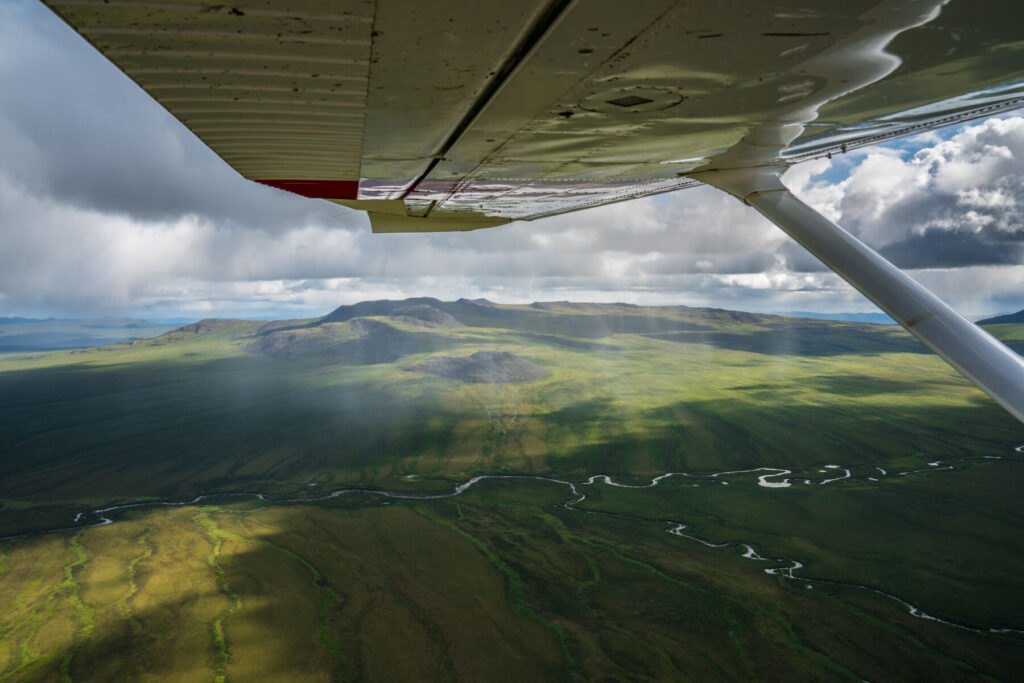
Most visitors first fly commercially to Fairbanks or another northern hub. From there, small bush planes — typically seating 3 to 5 passengers plus gear — make the final flight into the refuge.
A same-day out-and-back charter into ANWR generally runs in the range of $5,000–$6,000 per aircraft, depending on distance and load weight.
That price is for the plane — not per person.
If you want to be dropped off and picked up several days later, you are effectively paying for two separate flight legs. In many cases that brings total aircraft costs into the $10,000+ range per plane.
Divided among 3–5 people, that can still mean several thousand dollars per person just for access — before food, safety equipment, and logistics are considered.
Why Short Visits Rarely Make Sense
Because aircraft access is the largest single expense, flying in for a brief overnight or short hike often doesn’t justify the cost.
The Arctic does not reveal itself quickly.
Wildlife movements are unpredictable. Weather systems move through. Light shifts dramatically from hour to hour. The scale of the place takes time to absorb.
For most people, the cost of getting there becomes a reason to slow down, not rush through it. Looking to experience ANWR over a full multi-day journey, see our 11-day Kongakut River expedition in the Arctic National Wildlife Refuge.
Why River Travel Maximizes Both Time and Investment
River expeditions tend to make the most practical and experiential sense.
Instead of remaining in one drainage or attempting slow cross-country backpacking across uneven tundra, a river trip allows you to:
- Cover meaningful distance
- Experience multiple ecosystems
- Camp on durable gravel bars rather than fragile tundra
- Travel efficiently without exhausting daily hiking
Most rafting trips include several layover days. These give you time to:
- Hike ridge lines above camp
- Explore side valleys
- Watch for caribou movement
- Sit still and let the landscape unfold
When access is this remote and this costly, moving through the country — rather than briefly touching it — often provides the best return.
And in ANWR, time increases the odds of something extraordinary happening.
This is exactly why we operate our Kongakut River expedition. Instead of a static basecamp or a short fly-in visit, this trip is designed to maximize both your time in the refuge and your access to multiple ecosystems while removing the complexity of aircraft logistics, food planning, and safety systems.
Notable Destinations Within the Refuge
ANWR is vast, and experiences vary significantly depending on where you enter. While there are no towns or developed visitor centers, several regions have become well-known among wilderness travelers.
The Brooks Range
The northern edge of the Brooks Range forms the spine of the refuge.
Jagged peaks, braided rivers, and wide alpine valleys define this landscape. Many river expeditions begin in these mountains before floating north toward the Arctic Coastal Plain. Hiking opportunities here are some of the most dramatic in the refuge, with sweeping views from high ridgelines.
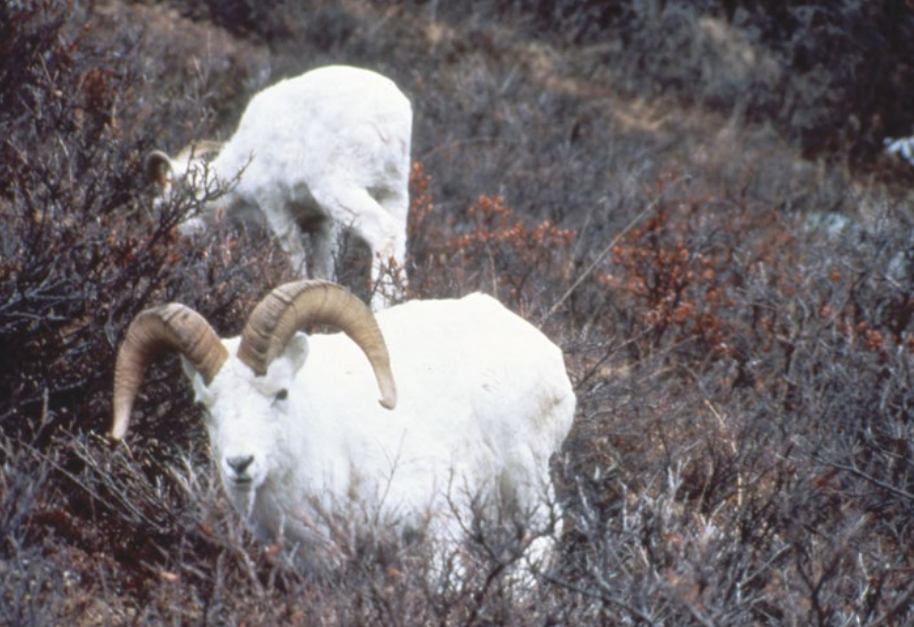
Wildlife sightings — including grizzly bears, Dall sheep, and migrating caribou — are common in this transition zone between mountains and tundra.
The Canning River
The Canning River trips commonly begin high in the Brooks Range on Marsh Fork and move toward the coastal plain, providing a classic cross-section of Arctic ecosystems.
River corridors are natural travel routes — for both people and animals — which is one reason they’re such compelling ways to experience the refuge.
The Arctic Coastal Plain
Stretching north toward the Beaufort Sea, the coastal plain is expansive, open, and visually subtle.
This region includes the area often referred to as the “1002 Area,” which has been central to energy development debates for decades. It is also biologically important, serving as calving grounds for the Porcupine caribou herd and denning habitat for polar bears.
For travelers who reach it, the coastal plain feels immense and exposed — a place defined more by light, weather, and movement than by vertical relief.
The Kongakut River Corridor
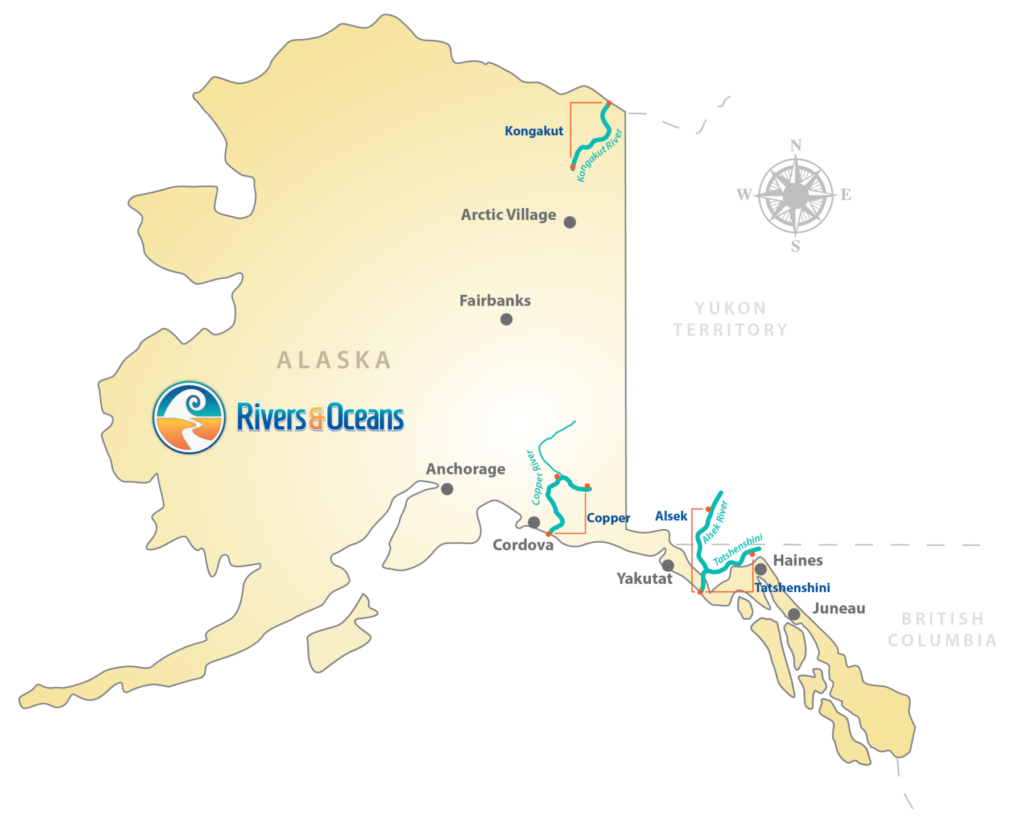
The Kongakut River, in the northeastern portion of the refuge, is a well-known route for multi-day river journeys.
With views into the British Mountains near the Canadian border, it offers striking scenery and a sense of deep isolation. Its mix of mountains and open tundra makes it one of the more visually varied river corridors in the refuge. Many (for ANWR) people go the Kongakut in June in hopes of seeing the Porcupine Caribou Heard. The Kongakut is known for incredible wildlife sightings.
The Hulahula River
The Hulahula River is one of the best-known rafting routes inside the Arctic National Wildlife Refuge. With a little more exciting class III whitewater than the Kongakut it is also a little less traveled and a little less known for its wildlife.
Flowing north from the Brooks Range toward the Arctic Coastal Plain, the river passes through a dramatic transition from mountain valleys to open tundra landscapes.
Expeditions on the Hulahula typically experience a mix of alpine scenery, braided river corridors, and wide coastal plain views near the Arctic coast.
Like most Arctic rivers, conditions can change quickly with weather and water level fluctuations. Multi-day trips usually include layover days for hiking ridge lines, exploring side valleys, and observing wildlife.
The Hulahula is best suited for travelers comfortable with wilderness travel and guided expedition rafting.
Why “Popular” Is Relative
Even the most “visited” areas of ANWR see very few people each year.
You won’t encounter developed campgrounds or established trails. Encounters with other groups are uncommon. Much of the refuge still feels untraveled.
The specific drainage or valley you choose shapes your experience — but everywhere inside ANWR shares the same defining qualities: scale, silence, and ecological continuity.
Time Matters in the Arctic
The longer you spend in ANWR, the more the landscape begins to reveal itself.
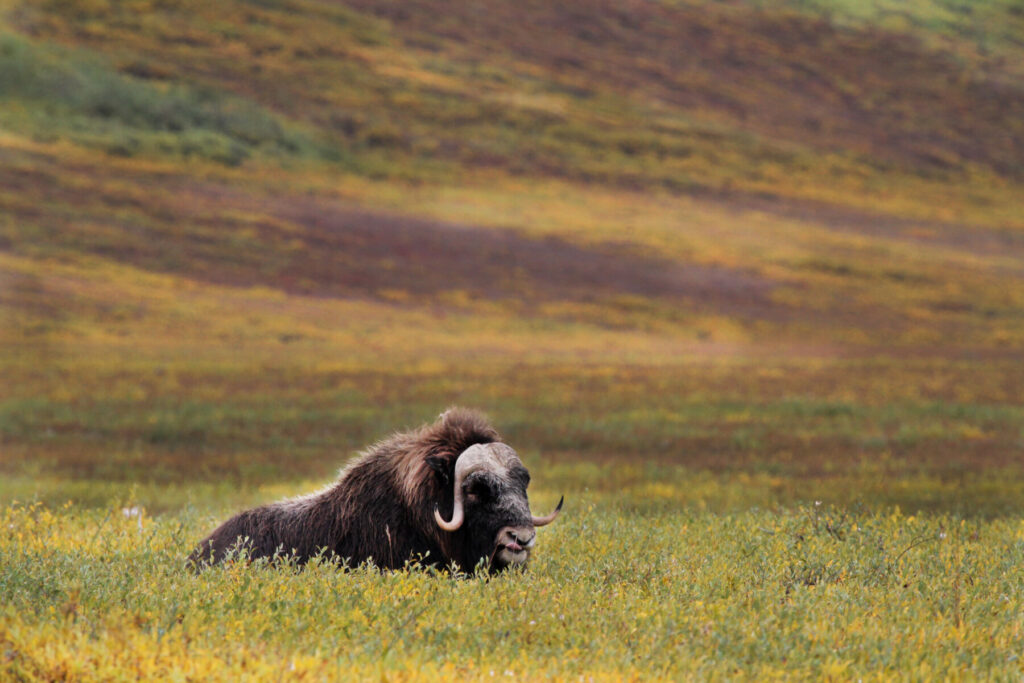
Wildlife encounters are rarely predictable. Caribou may appear suddenly. A grizzly may move across a distant hillside. Weather shifts may transform the mountains overnight.
Short trips can feel like glimpses.
Longer journeys increase your chances of witnessing something extraordinary.
In a place defined by scale and unpredictability, patience is often rewarded.
Multi-day river expeditions like our Kongakut trip are designed around this reality, allowing time for the landscape and wildlife to unfold.
The Most Realistic Ways to Visit
1. Fly-In Wilderness Trips
Most visitors enter the refuge by bush plane from Fairbanks or small Arctic communities.
Aircraft land on gravel bars or tundra strips. From there, travel is on foot — hiking ridgelines, glassing for wildlife, fishing, or simply sitting still long enough to understand the landscape.
For most people, this is the safest and most practical option.
2. Multi-Day River Expeditions
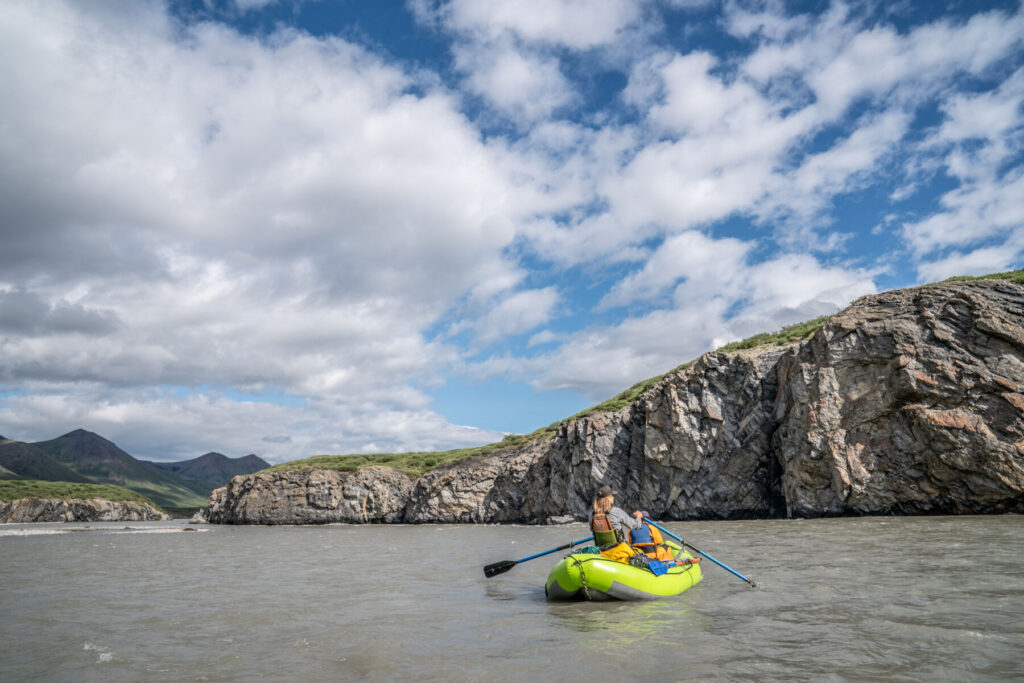
Rafting one of the rivers flowing north from the Brooks Range is arguably the most immersive way to experience the refuge.
Moving by river allows you to travel through wildlife habitat without carving a route across fragile tundra. You cover ground slowly, camp along gravel bars, and watch the landscape change around you.
These trips require logistical support and strong wilderness awareness. Guided expeditions remove most of the risk while keeping the experience intact.
If you’re considering a guided river trip, our Kongakut expedition is designed specifically for this type of experience.
3. Self-Guided Travel
It’s possible — but it’s serious country.
There are no marked trails. Weather can change quickly. Rescue response times are long. Anyone traveling independently needs genuine Arctic experience, solid navigation skills, and bear awareness.
This is not comparable to hiking in a national park.
What About Oil Drilling in ANWR?
If you’ve researched the refuge at all, you’ve probably encountered headlines about oil development.
The debate centers primarily on the coastal plain — a relatively small portion of the refuge that has been discussed for potential energy development for decades.
At present, there is no large-scale oil production operating inside the refuge itself. Leasing policy has shifted multiple times in recent years depending on federal administration priorities. Even when leases are issued, actual development would take years due to permitting, environmental review, infrastructure, and economics.
For visitors today, the experience of traveling through ANWR remains overwhelmingly one of undeveloped Arctic wilderness.
That could change someday. Or it might not. The long-term outcome depends on political decisions, legal challenges, and market conditions — none of which move quickly.
When to Go
The practical window for visiting is short:
Late June through early September.
During that time:
- Rivers are typically navigable
- Wildlife is active
- Temperatures are manageable
- Daylight lasts nearly 24 hours
Outside of that window, access becomes far more technical.
Wildlife Expectations
People often imagine constant wildlife encounters. The reality is quieter.
You may see:
- Caribou moving in small bands
- A grizzly at a distance
- Fox along a riverbank
- Birds filling the sky during migration. ANWR is home to over 200 birds species including some like snowy owls and gyrfalcons even live on the North Slope year round.
Fish of the Refuge
The rivers, lakes, and coastal waters of the Arctic National Wildlife Refuge support remarkable aquatic diversity. According to refuge data, at least 36 species of fish occur across freshwater, anadromous, and marine environments.
Fishing in ANWR is largely for Arctic grayling and Dolly Varden. Because fish see very little pressure, they are generally not selective. Both spinning and fly fishing work well, with simple patterns producing consistent results.
Or you may see nothing for days but landscape.
That unpredictability is part of the experience. Read more about fishing the North Slope of the Brooks Range.
Planning a trip to ANWR requires coordination, logistics, and the right timing. If you’re exploring options, we can help you sort through what approach makes the most sense.
Search for Alaskan Rafting Trips

Call Us!
We’ll help you narrow down your search from 100’s of trip options.

Have a question, send us a note. We’re here to help.

Find Your Trip
Request a trip search, we’ll find tours meeting your criteria.
*** Our service is free to you and paid for by our partner outfitters. We guarantee the same price as booking directly with the outfitter.
Is It Right for You?
ANWR isn’t a sightseeing destination.
It’s for travelers who:
- Are comfortable with remoteness
- Don’t need daily connectivity
- Respect wildlife distance
- Value experience over convenience
For most people, a professionally guided fly-in or river trip offers the best balance of safety and immersion.
If You Are Thinking About ANWR
Some landscapes invite you to pass through quickly. The Arctic National Wildlife Refuge is not one of them.
This is a place defined by patience.
Travel here is not about checking destinations off a list. It is about moving slowly enough that the scale of the country begins to make sense — watching river valleys open as you float downstream, sitting quietly on a gravel bar while light changes across mountain walls, and allowing wildlife to appear on its own schedule.
The expansiveness of the refuge is increasingly rare in the modern world. Whether the future brings more development, changing climate patterns, or shifting policy decisions, the opportunity to experience this landscape in its current form exists today.
If the idea of true Arctic wilderness appeals to you — not crowds, not infrastructure, but silence, migration, weather, and vast open country — then ANWR is the kind of place worth traveling to slowly and staying in long enough for the experience to unfold.
Because in the Arctic, the best moments usually happen after you stop trying to make them happen.
Start Planning Your Best Adventure
Dispatches from adventure tours around the world and tips for intrepid travelers. Read Our Blog
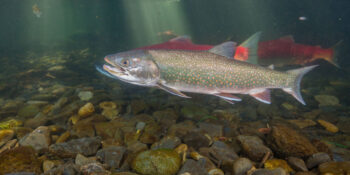
Alaska’s Arctic Char & Dolly Varden
Alaska’s wilderness comes the risk of encountering dangerous animals, including bears, wolves, and moose. Outfitters take extensive precautions to keep guests safe, but it’s important for rafters to understand how to minimize risks when facing Alaska’s formidable wildlife. This guide will break down safety measures for black, brown, and polar bears as well as other dangerous animals, with an emphasis on how commercial rafting outfitters manage these risks.
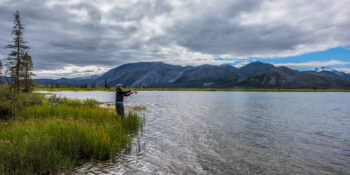
Fishing the North Slope of Alaska in ANWR
Alaska’s wilderness comes the risk of encountering dangerous animals, including bears, wolves, and moose. Outfitters take extensive precautions to keep guests safe, but it’s important for rafters to understand how to minimize risks when facing Alaska’s formidable wildlife. This guide will break down safety measures for black, brown, and polar bears as well as other dangerous animals, with an emphasis on how commercial rafting outfitters manage these risks.
Best Alternatives to the Grand Canyon 2‑Day Trip
The United States is home to an amazing array of multi-day (overnight) rafting expeditions. At Rivers & Oceans we came up with our list of the top 10 best rafting and camping trips in the U.S.
Keep Reading > Best Alternatives to the Grand Canyon 2‑Day Trip