
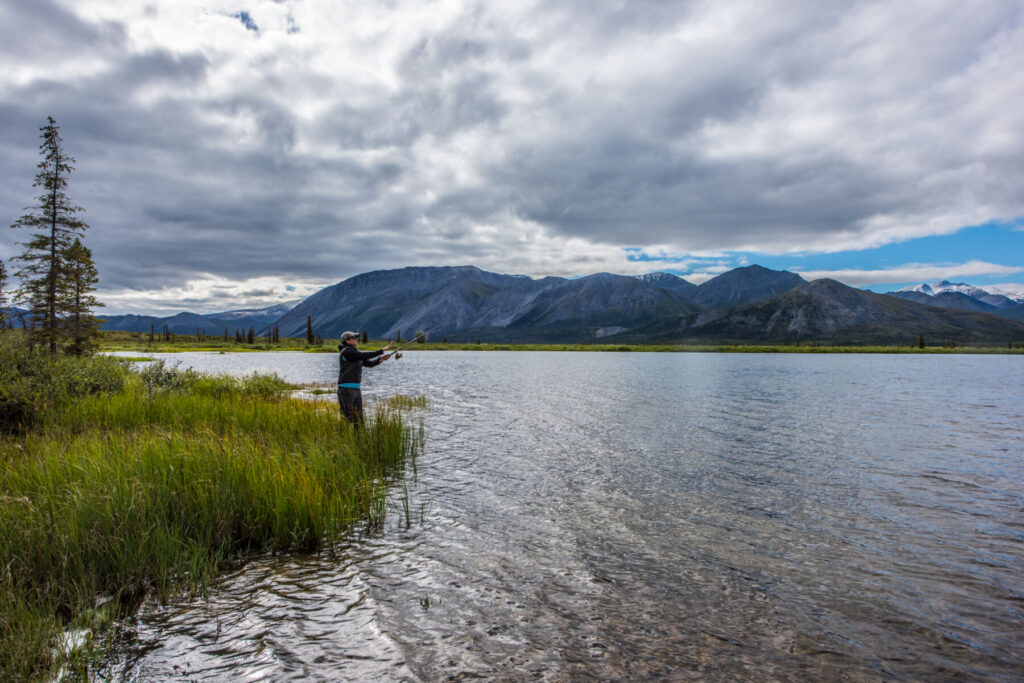
Fishing the North Slope in ANWR
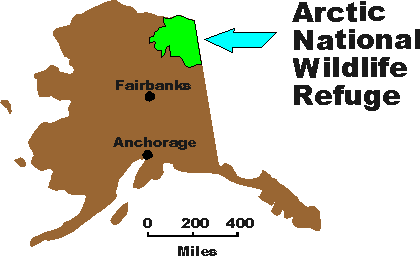
Fishing on Alaska’s North Slope—particularly within and adjacent to the Arctic National Wildlife Refuge (ANWR)—is less about numbers and more about remoteness, exploration, and encountering fish in one of the least-altered ecosystems left in North America. This is a place where biological knowledge is still evolving, access is difficult, and anglers are outliers rather than a regular presence.
A Remote and Lightly Studied Fishery
Many of the rivers flowing off the North Slope, including the iconic Kongakut, remain lightly studied. Even biologists with the Alaska Department of Fish and Game acknowledge that the region’s sheer remoteness has limited long-term research efforts. Some rivers are so far from infrastructure and population centers that little data exists.
That lack of information, however, is part of the appeal. When you fish here, you are operating at the edge of what is known—both scientifically and recreationally.
What Fish Live on the North Slope?
Despite limited research, there is reasonable consensus on the species anglers are most likely to encounter:
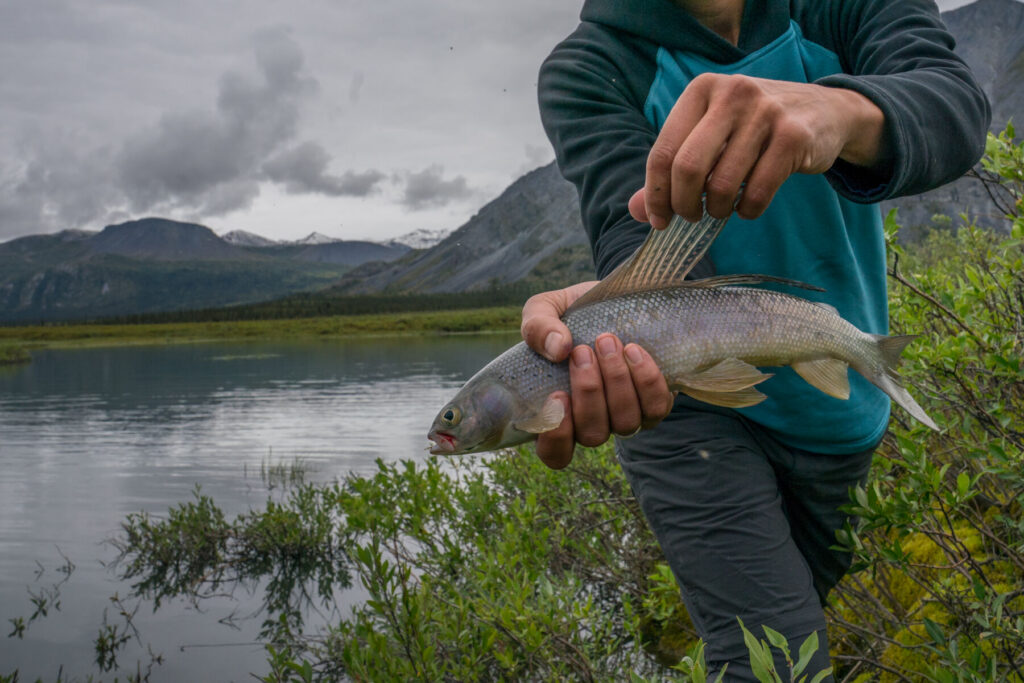
- Arctic Grayling – Often the most common and consistent catch in North Slope rivers. They are aggressive, willing feeders, and a highlight on both fly and spinning tackle.
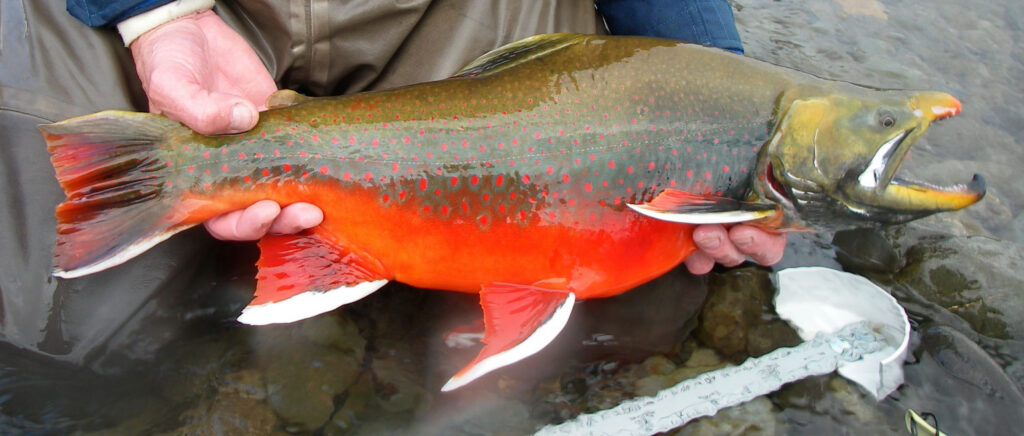
- Northern Dolly Varden – Anadromous char that are well-adapted to Arctic river systems and a prized catch for their size, color, and strength.
- Burbot – Less frequently encountered, but likely present in some river systems.
- Arctic Char – Found in lakes on the North Slope also prized for their color and size
- Lake Trout – found in deep lakes in the Arctic
- Chum Salmon
- Pink Salmon
- Whitefish
In recent years, biologists have documented increasing numbers of chum salmon, some of which originate in Russia. Researchers can determine origin by analyzing the chemical composition of otoliths (ear bones). These chum runs typically occur later in the summer and are not considered a primary target species for anglers in the region.
Dolly Varden, Arctic Char, and Cold Realities
Dolly Varden, a species of char on the North Slope are anadromous, but according to the Alaska Department of Fish and Game (ADFG) unlike salmon, they cannot overwinter in the ocean. The Bering Sea drops below freezing, and Dolly Varden lack the antifreeze proteins needed to survive prolonged exposure to those temperatures. As a result, they spend the winter in freshwater systems.
Arctic char are also present in the region, but they are primarily lake-dwelling. While it is possible to encounter a char in a river, biologists note that identification may require counting gill rakers, as visual identification alone can be misleading.
This information is based upon ADFG, if you go to the Arctic you’ll find people calling colorful fish caught in rivers char and Arctic Char.
Search for Alaskan Rafting Trips

Call Us!
We’ll help you narrow down your search from 100’s of trip options.

Have a question, send us a note. We’re here to help.

Find Your Trip
Request a trip search, we’ll find tours meeting your criteria.
*** Our service is free to you and paid for by our partner outfitters. We guarantee the same price as booking directly with the outfitter.
Tackle and Gear Recommendations
Because fish on the North Slope see very few anglers, selectivity is generally low. That said, bringing versatile gear is key.
Rods and Reels
- Bring both a spinning rod and a fly rod if possible.
- A 6-weight fly rod is an excellent all-around choice.
- Spinning gear may produce higher catch rates overall, but fly fishing is highly effective and rewarding.
Fly Fishing Techniques
If you’re bringing a fly rod, plan to do some nymphing. Productive patterns for Dolly Varden and grayling include:
- Flesh fly patterns
- Egg patterns
- Epoxy fry
- Mouse patterns
- Hoppers
While many of these patterns are proven in the greater Anchorage area, the lack of fishing pressure on the North Slope means similar presentations should work well.
Spinning Lures
- Small spinners
- Spoons
Simple, flashy presentations are often enough to trigger strikes.
Alaska Fishing License
Don’t forget your Alaska Fishing License. Residents 18+ years of age and non-residents 16+ years must have a valid license.
A Request from the Biologists
Because data from the region is still limited, fisheries researchers are genuinely interested in what anglers encounter. If you catch fish on the North Slope, taking clear photos—especially of less common species—can help contribute to a better understanding of these remote systems.
Fishing as Exploration
Fishing the North Slope in and around ANWR isn’t about checking species off a list or chasing record numbers. It’s about immersion in a vast Arctic landscape, casting to fish that may rarely—or never—have seen a lure or fly, and participating in a fishery that still feels wild in the truest sense of the word.
For anglers drawn to solitude, scientific curiosity, and raw wilderness, the North Slope offers an experience unlike anywhere else.
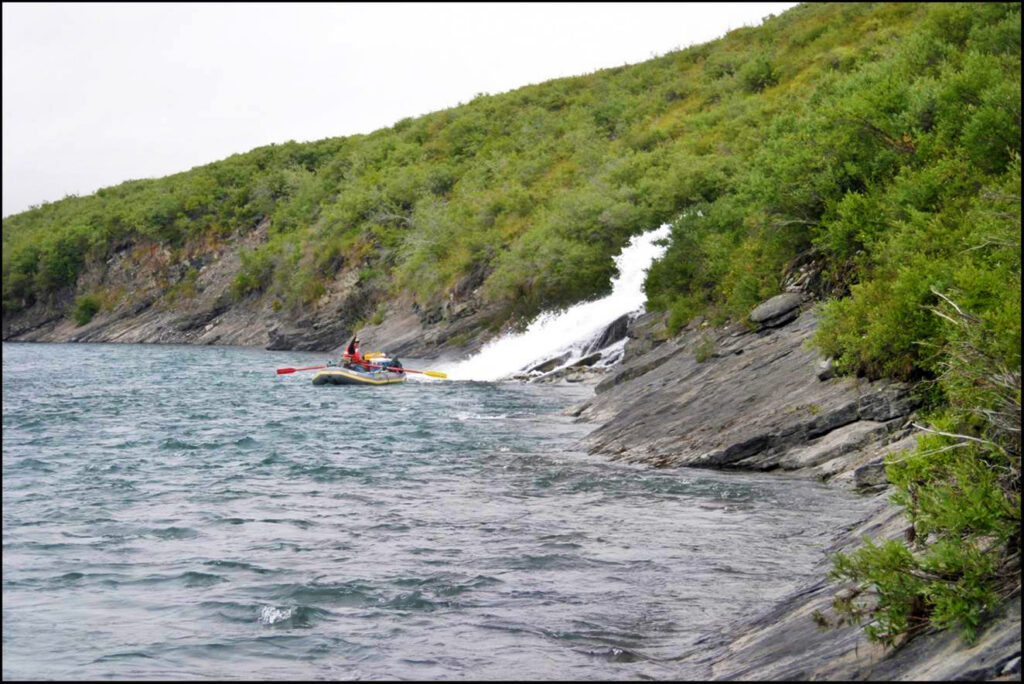
One of the best ways to fish on the North Slope is on an Alaska rafting trip. Our favorite is the Kongakut River.
Start Planning Your Best Adventure
Dispatches from adventure tours around the world and tips for intrepid travelers. Read Our Blog
Best Alternatives to the Grand Canyon 2‑Day Trip
The United States is home to an amazing array of multi-day (overnight) rafting expeditions. At Rivers & Oceans we came up with our list of the top 10 best rafting and camping trips in the U.S.
Keep Reading > Best Alternatives to the Grand Canyon 2‑Day Trip
Guide to Whales of Baja California, Mexico
Vast and awe-inspiring, there are few experiences more thrilling than exploring the ocean on an adventure travel trip. From multi-sport adventures in Belize to small ship cruises in Alaska, there are countless ways to experience the wonder and beauty of the ocean.
Wildlife Safety on Rafting Trips in Alaska
Alaska’s wilderness comes the risk of encountering dangerous animals, including bears, wolves, and moose. Outfitters take extensive precautions to keep guests safe, but it’s important for rafters to understand how to minimize risks when facing Alaska’s formidable wildlife. This guide will break down safety measures for black, brown, and polar bears as well as other dangerous animals, with an emphasis on how commercial rafting outfitters manage these risks.